

What is the difference between a footballing superpower in culture and commerce?
CT101: The future is culture by infrastructures.

Picture 2025 closing with AFCON lighting up Morocco and the FIFA Arab Cup energising Qatar, while the memory of a winter World Cup in 2022 fades from the global football calendar.
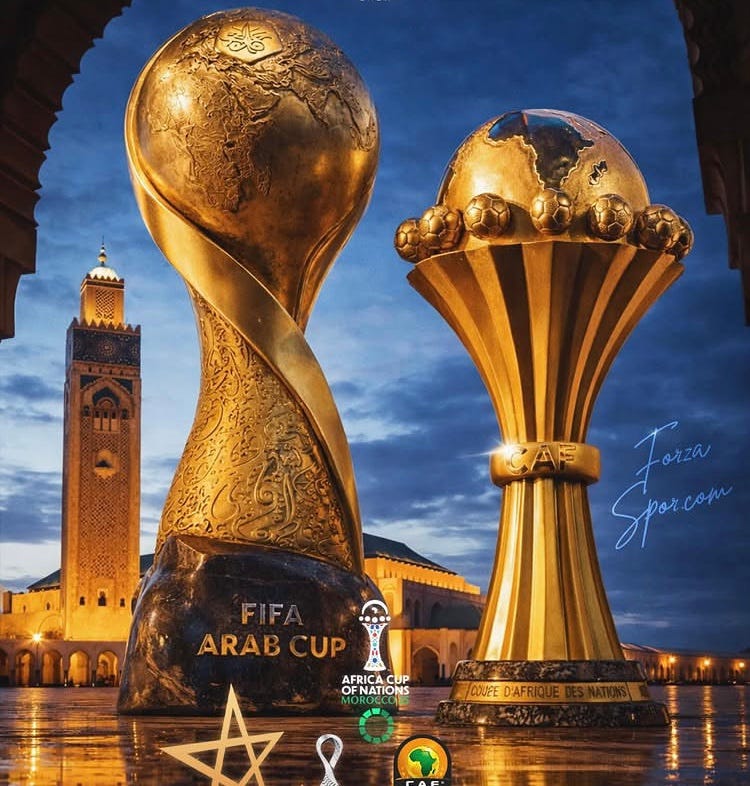
Colossal,
For me, the ‘soft power’ of government using football no longer captures the essence; only ‘superpower’ does.
The Vision comes from a Maghreb/African country…
Morocco is already a footballing superpower in culture since the investment for the Mohamed VI centre to empower excellence on the pitch (semifinalist on The FIFA World Cup 2022, U2O/17 World Cup, and Arab Cup winner).
AFCON 2025 and the World Cup 2030 will decide if it becomes one by commerce. Morocco aims to hit the target by 2030, provided that all investments made have been aimed at developing the domestic leagues and positioning sports tourism for the post-code era. The example of Rabat will feature four stadiums, a first in the history of AFCON tell the strategy behind.
It’s evidence that football culture must stand on infrastructures in the future…
As Culture creates players/fandom. Infrastructure(strong professional league and facilities, which is not only about hosting major events)keeps value.
Academies, data, medical, media, and facilities turn intuition into longevity.
Without them, cultural nations stay talent suppliers, not ecosystem owners.
However, to become a commercial superpower, Morocco has to find out soon enough that match wins alone will be insufficient if the country is to justify all the money it is now spending on its football ambitions.
Well,
The Culture in football refers to a “cultural superpower,” a nation whose identity, values, and grassroots participation shape its global influence.
Led by Characteristics like:
Produces generational talent from street games, local clubs, and community academies.
Football is often linked to social mobility and national pride.
It can also be the case when the style of play reflects the culture (Brazilian flair, Italian tactics, Argentine tango).
Fans often treat the sport as a religion, with emotional highs/lows.
Football culture is not just a contemporary phenomenon but a heritage and passion passed down through generations.
As a pioneer of the beautiful game, England has a rich history that has shaped its football culture.
Local pubs sponsored teams for centuries, and the Saturday ritual of pints and a kickabout cemented football in working-class life.
However, Population size matters for maintaining engagement and attendance; it needs to be built by people, not by the platform.
⬇️⬇️🚨
“Using my exclusive code 'SCMIW10' helps fund my work and gets you a real piece of football history shirts,” with my affiliate partner :
https://www.classicfootballshirts.com/?ref=mjc2zgj

My Criteria: Cultural superpower = belief + identity + infrastructures.
Let’s compare England with some African/South American countries, for example…
England aligned belief, identity, and infrastructure.
South America and Africa mastered identity but left belief and infrastructure unprotected.Football power today is not about talent alone.
It’s about who builds systems strong enough to keep its culture at home.

Then, some countries in South America and Africa are superpowers by culture as they convert moments into collective pride, not revenue, yet, because asset exploitation is missing.
Example of proof…
I’m always watching La Copa Libertadores on BeinSports: The Roots hold the game there, not digital hype on social media. They don’t need a call-up from social media to attend the game; it’s already in their culture and DNA to cheer “Por el Futbol” and express their appreciation.
You can’t sell them the beautiful game...
South America’s football dominance stems from a century of innovation, the elevation of players to legendary status, as Pele and Maradona started a legacy, and religiously, the church-backed football that finished into a political and social issues manifesto in the stadiums by Latinos, a style influenced by local traditions, and the sport’s ability to unite diverse communities in passion and pride.
Years in, years out...
The real definition of soccer by culture is in South America, and clubs have reflected that football culture to sell players in the European football market for Millions of dollars each mercato, trading with international currency.
This trend mirrors far more than population size: it stems from deep cultural passion, rising prosperity, and the idea of the World Cup as a quasi-religious pilgrimage.
Meanwhile, travelling is a culture bound with money(power of purchase)…
South American/Latin supporters with their “VAMOS” have unfailingly made their presence felt at recent World Cups. They travel in astonishing numbers, infusing each tournament with bright colours, drums, and flags.
For example, in the 2018 World Cup in Russia, South American nations again dominated among Latin American teams. FIFA ticket data show Brazil and Colombia at the top of Latin America’s list, with Mexico (58,870), Argentina (52,999), and Peru (42,645) not far behind. Fans travel to support the commerce of football and celebrate the culture.
With 85% of tickets sold, these are the ten countries that requested the most:
1. Russia: 872,578
2. United States: 86,710
3. Brazil: 71,787
4. Colombia: 64,231
5. Germany: 60,457
6. Mexico: 58,870
7. Argentina: 52,999
8. Peru: 42,645
9. China: 39,884
10. Australia: 36,170
In 2022, Qatar organisers consistently openly courted Latin fans, even helping Latin travel agencies offer special flight-and-ticket packages because “Latin American nations [were] at the top of the list” for World Cup tickets.
Expecting the same in world cup 2026 in North America...
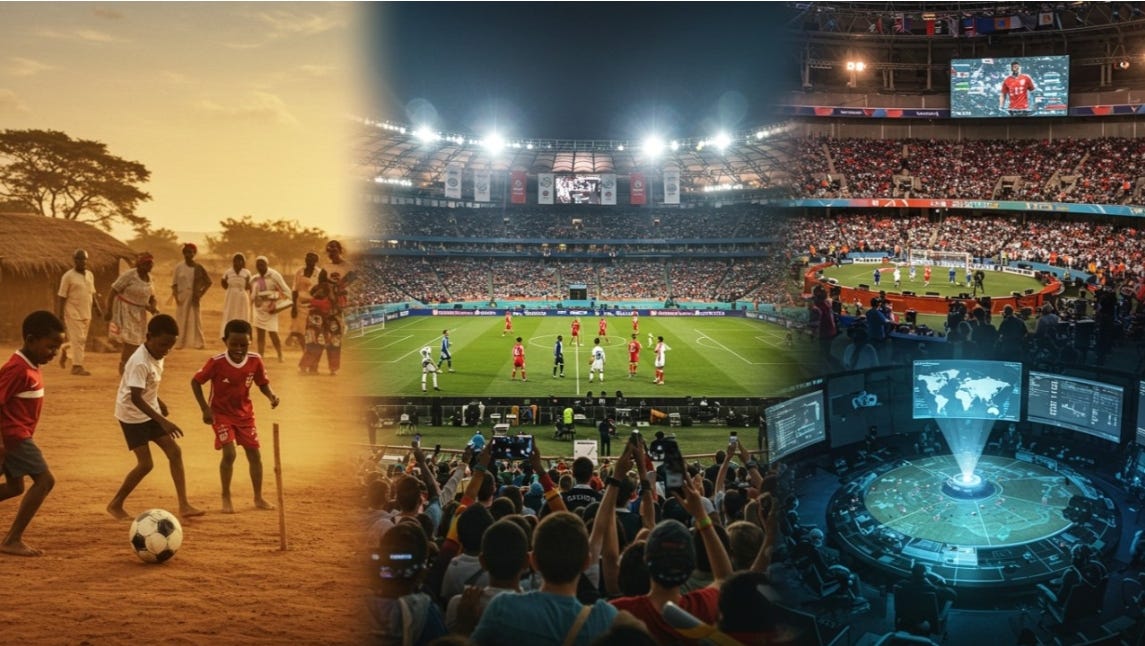
Therefore,
The product must be more than just a game to connect culture with commerce.
It should be a heritage and a passion that people incorporate into their daily lives, making it a part of their lifestyle. This transition from culture to commerce is possible when the product is deeply ingrained in society, making it a part of their identity.
So what about,
#By Commerce: Commercial superpower = systems + monetization
This refers to nations, or leagues/Federations that have successfully leveraged football as a lucrative economic asset/liability and media product. They may not always produce the best local players, but they attract top talent with the government’s support for sports diplomacy.
Furthermore, a “commercial superpower” denotes the financial heft of the business,
What if I told you about Pakistan?⚽⚽⚽
Business Insider reports that nearly 70% of soccer balls are manufactured in Sialkot, Pakistan.
Most of the world’s soccer balls are produced in the Sialkot region of Pakistan. This manufacturer, “Bola Gema” Pakistan, produces around 160,000 balls every month.
Pakistan’s transformation into a global soccer-ball manufacturing hub began with humble roots in colonial-era craftsmanship and has evolved into a globally integrated industry that now underpins “football commerce” for major brands, local communities, and the national economy.
If you want to make money and have power, football has room for strategic ones.
It’s all about a system that monetises football at scale, regardless of cultural origin.
#Building by Design like Saudi Arabia, not by accident like China:
Funds, League momentum, player imports, and a significant event host as Vision.
China made a massive mistake by not aligning football’s momentum, emotions, and global appeal with a clear vision and mission.
The missed opportunity was to bid for a World Cup hosting when they began acquiring star players from Europe to develop and shape their league, aiming for global appeal at the same time.
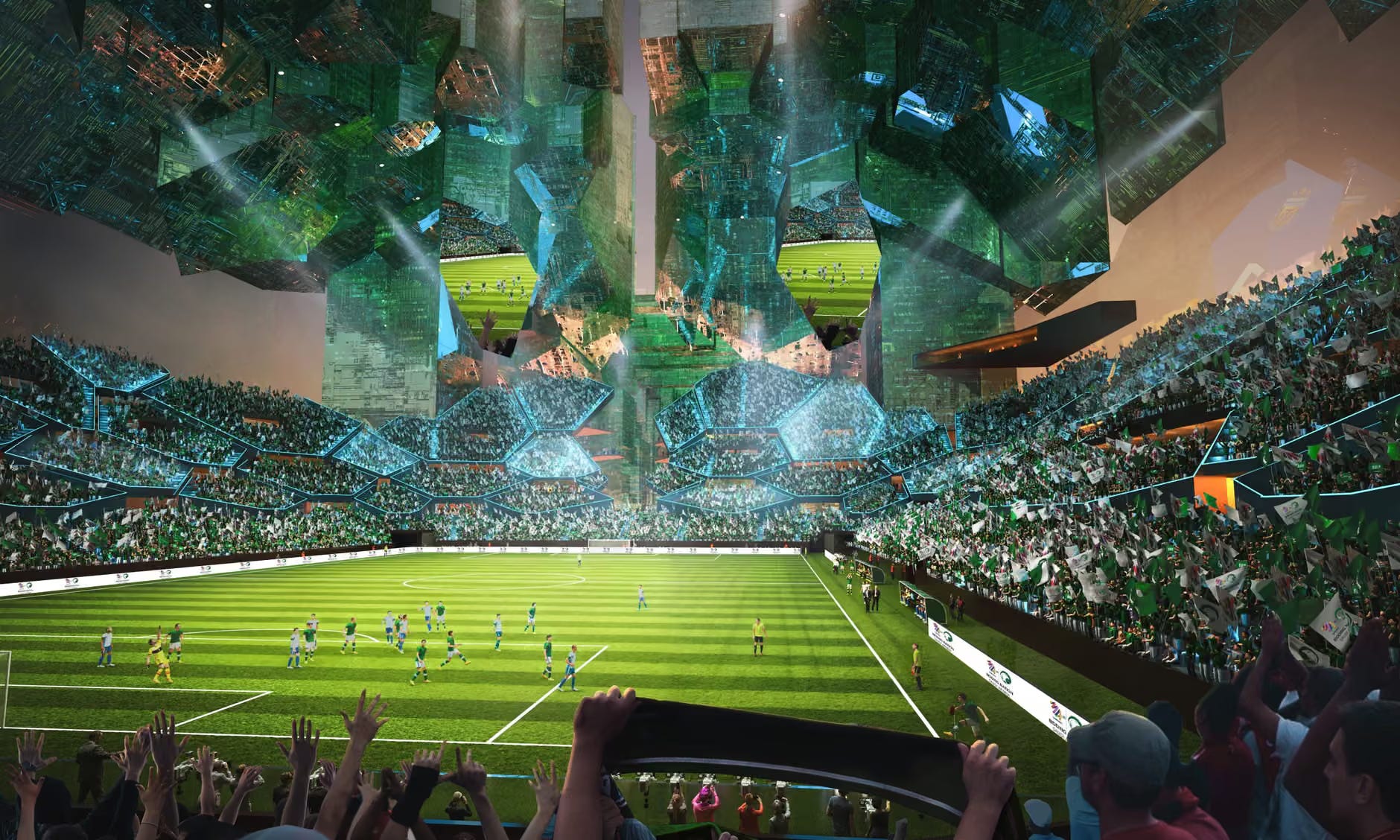
Regardless,
Saudi Arabia isn’t just stockpiling ✍🏾✍🏾talents.
They are building infrastructures, fuelling domestic interest, and remodelling how football fits into global soft power for diplomacy and the economy. They are using sport as a lever to diversify their economy and reduce dependence on oil. The upcoming World Cup 2034, following a competitive championship, will be hosted there, not by accident, but by design. This is strategic nation-building through sport, and it’s working.
Funds + Big name players + league + Follow-up World Cup Host bid=Commerce.
Hmm.... fan engagement, but what about fan experience?
#Digital Isn’t The Destination: Yes, it isn’t...
Without a memorable experience, there is no engagement.
Many sports organisations are yet to fully grasp this lesson as we head into the 2026 World Cup.
In football commerce, it’s about attracting fans and providing them with an experience they will cherish and remember, thereby ensuring their continued engagement.
Some understand the lesson of commerce in football, but some are still deluded.
My Warning ⚠️🚨
Digital is an instrument, not the end product. It should amplify the product, not be the product.
The culture ‡ product imported.
Millions of followers on social media for clubs, national teams, and leagues, but what else?
Football fans are already and will always be in the crowd, present, passionate, and ready to belong and support.
Your digital algorithm has not hidden them. Those who don’t know where to find them will never see them.
“Commerce the game globally =bring your team as a brand and the beautiful game as a product.”
Choosing to like a sport by nature or heritage is inexplicable, but can be embraced as an option.
Again, Software will never update football. You do not unlock new fans through Unique Experience (UX), but perhaps in other sports, although I am not sure (lol).
So, why do they follow all football accounts related to the sport, such as 433, Cristiano Ronaldo, or Fabrizio Romano, on social media, not just their club’s social media?
You build them by showing up consistently, physically and emotionally, in their lives and language.
The Saudi Pro League and MLS achieved this by featuring the two GOATs (C. Ronaldo and Messi) in the commerce portfolio, which drew people to attend, pay, and watch them play, thereby increasing media value, ticket sales, and sponsorship opportunities.
Why does it matter to understand?
Culture superpower → A country where football is identity, passion, and everyday life. The sport shapes traditions, stories, and community (as seen in Brazil’s street football and Argentina’s tango with the game).
Commerce superpower → A country where football is big business or geo-strategic leverage. It drives broadcasting rights(media attention), sponsorships( new business networking), merchandising(local pride), and global fan monetisation(bringing star players for tourism and attendance boost), as it brings a resulting boost to the country’s economy (the product of football, such as the Premier League in England and Saudi’s integration for soft power attention).
One gives the game its soul, the other its engine. The true giants master both.
Takeaway:
Frame it like that:
I wanted to highlight what readers don’t know and will learn:
Culture is infrastructure, not “vibes” like Morocco is trying to build.
Money amplifies greatness; it doesn’t create it.
The future belongs to those who can translate football culture into sustainable business without destroying it.
Paul Stanislas Dioh✍🏾⚽🎲
Merry Christmas and happy holiday, May God bless you…🫂🎁
Quite an insightful read!